


From$8.99In stock, ships tomorrow
Free shipping on orders over $20010% off with code WELCOME
Shop other styles
11 products
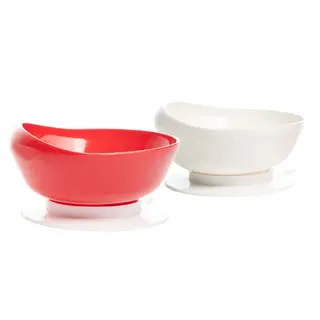
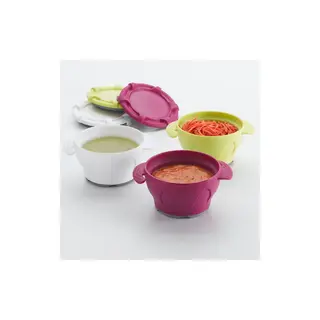
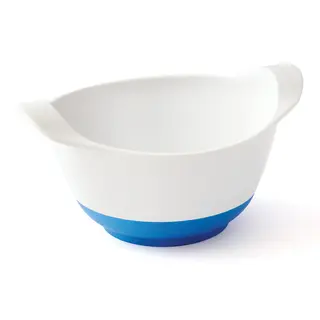
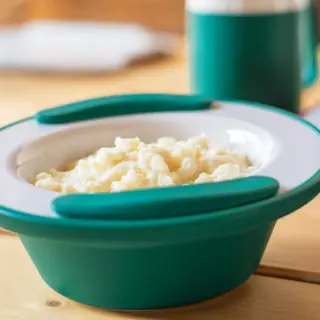
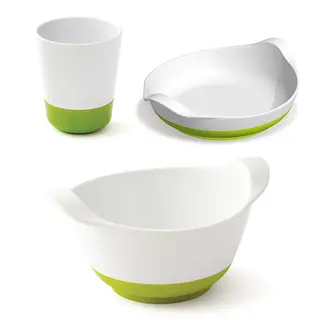
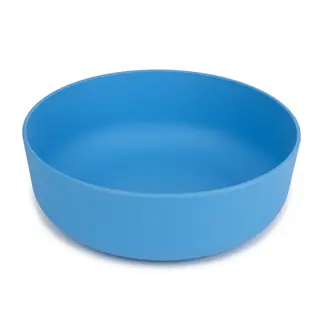
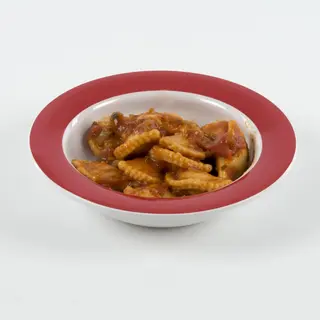
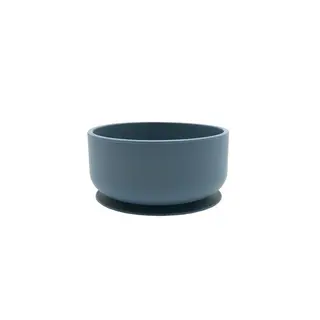
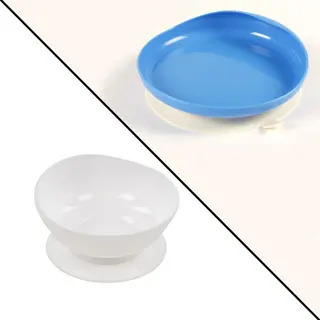
To help seniors and people who have trouble gripping, Tous Ergo offers a full range of ergonomic bowls. This mealtime aid brings more independence. It can be used in a group setting (a nursing home, a specialized care facility, and similar places) or at home, as part of aging in place.
Difficulties tied to age, disability, or neurological and joint conditions can turn a meal into a daily challenge. Spilling breakfast, struggling to hold a spoon, or watching soup go cold are frustrating moments that dull appetite and, over time, can lead to malnutrition. That is where the ergonomics of medical tableware matter. Unlike an ordinary bowl, an ergonomic bowl is designed from start to finish to make up for a motor deficit, weak grip, or vision loss, so a senior can eat alone and with dignity.
Occupational therapists strongly recommend our mealtime daily living aids for many kinds of patients at home:
There are different models: a suction base so the bowl does not tip, an insulated bowl to keep the meal hot, and more. To choose well among products that support independence, here is a closer look at our range:
This is the essential standard for safety at the table. A strong silicone or rubber suction cup on the base locks the bowl to any smooth surface. A bumped elbow or a sudden movement is very unlikely to tip it, which protects both the user and a family caregiver. An easy-release system (often a small, discreet tab) lets you lift it off without force once the meal is done.
People with reduced motor control, or with severe fatigue, usually take much longer to finish a plate. An insulated bowl, often called a thermal bowl, has a double insulating wall (sometimes filled with very hot water through a secure plug) that keeps soups, purees, and oatmeal at a good eating temperature for many minutes.
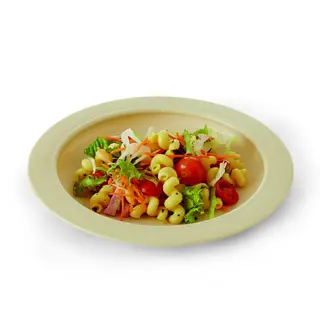
This clever design is asymmetric: one wall is intentionally higher and curves slightly inward. That shape lets a senior push food against the rim with a utensil. Food then falls naturally into the bowl of the spoon, which limits spills on the tablecloth and makes one-handed eating fully workable.
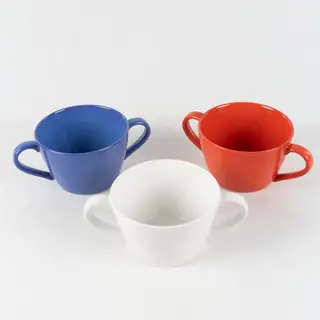
Ideal for a two-handed grip and joint comfort. People with severe muscle weakness can lift the bowl with both hands without risk of a burn or a dropped grip. That also supports hydration when the bowl holds broth or hot chocolate meant to be sipped.
| Ergonomic bowl type | Main technical benefit | Conditions & targeted uses | Recommended foods |
|---|---|---|---|
| Suction bowl | Extreme hold, anti-spill system | Parkinson's, spasticity, ataxia, tremor | Liquids, soups, cereal |
| Insulated bowl (thermal) | Keeps heat for a long time | Slow chewing, chronic fatigue | Cream soups, purees, meals that take a while |
| Curved-rim bowl | Easier to fill the spoon | Hemiplegia (one-handed use), amputation | Foods in small pieces (rice, peas) |
| Two-handled bowl | A stable, wide, balanced grip | Severe osteoarthritis, rheumatoid arthritis, weakness | Broths, teas, liquid breakfasts |
To make sure the bowl truly fits the needs of someone with limited mobility, review these points before you check out: