

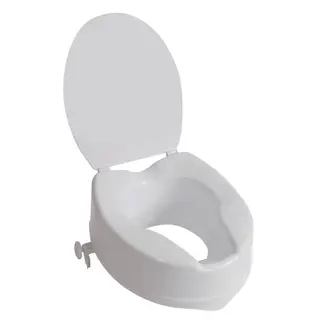


$100.49In stock, ships tomorrow
Free shipping on orders over $20010% off with code WELCOME
Shop other styles
2 products
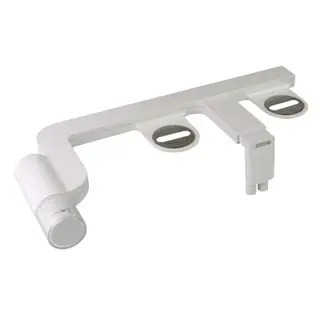
A Japanese bidet toilet seat gives you a very high level of hygiene. It is not just a comfort add-on: a Japanese toilet can be essential for someone whose disability limits movement. It is not a luxury for anyone who wants comfort and cleanliness done right. By not relying on toilet paper alone, these seats help prevent irritation, make personal care easier, and give back dignity to people with joint or muscle limitations.
Washing with water is the most natural and effective way to clean intimate areas. Japanese bidet toilet seats have built-in spray nozzles that send a warm water jet. The wash is thorough, it limits bacterial growth, and it respects the skin's natural pH. It is especially helpful after surgery, or for relief from hemorrhoids or anal fissures.
If you have osteoarthritis, rheumatism, or you are recovering from a stroke, the twist needed to wipe by hand is often painful, and sometimes impossible. A washing seat automates that step. With one press on a remote or a side panel, you manage your own hygiene and keep your privacy with family caregivers and professional caregivers.
Japanese toilets are an excellent hygiene option when limited mobility or a weak grip makes intimate care hard. Models vary, from a simple seat with a single water spray to a one-piece toilet with a heated seat and a presence sensor. Every model fits a standard toilet and is simple to install.
This entry-level model runs on your home's water pressure alone. It needs no electrical connection. It usually covers the basics: a rear and/or front wash with cold or room-temperature water, turned on by a side dial. It is a budget-friendly, lower-impact way to try a Japanese toilet.
This toilet seat needs an outlet nearby. In return, it offers a full set of premium features. Once it is installed, you can choose a warm-water wash (adjustable temperature), a warm-air dryer, air purification, and sometimes active deodorizing with a charcoal filter. A separate remote is often included, which is a real help for people with limited mobility.
One-piece models bring a lot of comfort. They replace the whole toilet, bowl included. The features can also be a real path back to independence for some users. A dryer and automatic open with a presence sensor are essential for people who struggle to bend, lean, or grip.
| Seat type | How it works | Main benefits | Ideal user |
|---|---|---|---|
| Non-electric mechanical seat | Water pressure (hydraulic) | Budget-friendly, quick to install, no electricity needed, easier on resources. | Users who want basic hygiene without an electrical hookup. |
| Electric wash & dry seat | Electrical connection (220V) + water | Warm water, dryer, heated seat, ergonomic remote. | Limited mobility, seniors, people with joint pain (osteoarthritis). |
| Full one-piece toilet | Electricity + full plumbing hookup | Clean design, automatic open, presence sensor, auto flush. | A full bathroom remodel for limited mobility, users who need the most automated help. |
To set up an accessible, safer toilet, choose the seat on strict technical and medical grounds.
Fitting a Japanese toilet seat usually does not take major plumbing work. A simple T-adapter (often included) connects to the existing water supply for your tank. Adapter plates fit 90% of standard French bowls.
For cleaning, the antibacterial resin body on most seats makes wiping easier. Never use abrasive cleaners, which can damage the electronics or scratch the surface. Regular cleaning with a soft cloth and mild soap, plus occasional descaling of the water path, keeps the product working for a long time.
To finish outfitting your bathroom or toilet for the independence you need, browse all of our personal care aids.