


$4.49$5.49In stock, ships tomorrow
Free shipping on orders over $20010% off with code WELCOME
Shop other styles
4 products
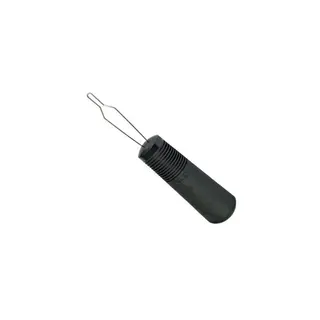
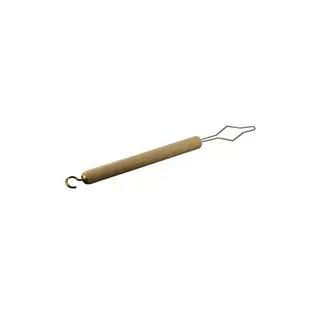
When your fingers are stiff or your grip is weak, fastening buttons and pulling up zippers is harder than it looks. To make everyday dressing easier and help you get dressed on your own, Tous Ergo offers a selection of dressing aids, including button hooks.
Losing fine motor control, from natural aging or a specific condition, should not limit your freedom. These small pieces of medical equipment are widely recommended by occupational therapists because they work so well. They take the morning frustration away and help people who are losing independence feel confident again.
Good to know:
Our aging-in-place specialists recommend a button hook in many clinical situations, and whenever independence starts to slip:
The right model has to match your hand strength and control. Clinical assessment, and our own experience, point to these criteria:
A handle that is too thin forces your fingers to curl, which brings on joint pain. Choose a large-diameter handle (often called a "Good Grips" handle). Rubber or non-slip elastomer grips add security, even with damp hands or weak muscles.
The stainless steel wire should be thin enough to pass through the narrowest buttonholes (such as shirt collars), yet stiff enough to pull thick jean buttons firmly without bending. A diamond shape usually works best, because it locks the button securely as you pull.
| Type of adaptive equipment | Main job | Grip strength needed | Conditions it helps |
|---|---|---|---|
| Standard button hook | Fastens shirt and pant buttons | Low to moderate (palm grip) | Mild osteoarthritis, tremor |
| Button hook with a thick handle | Buttons clothing without stressing finger joints | Very low (no pinch strength needed) | Rheumatoid arthritis, carpal tunnel syndrome |
| Button hook with a zipper pull | 2-in-1 tool: buttons and zippers (jackets, vests) | Low (one-handed use) | Hemiplegia, after a stroke, Parkinson's |
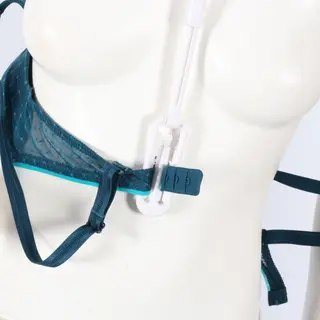
| Button extender | Widens a collar or waistband without sewing | None (stays in place) | Weight gain, breathing problems, rheumatism |
To get the most independence, a button hook often works best alongside other daily living aids. We suggest pairing it with these practical helpers: