



From$52.49In stock, ships tomorrow
Free shipping on orders over $20010% off with code WELCOME
Shop other styles
4 products
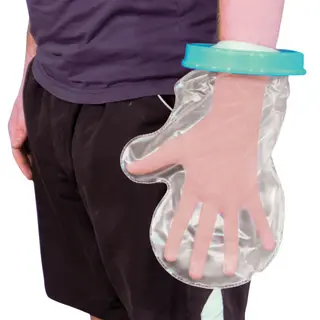
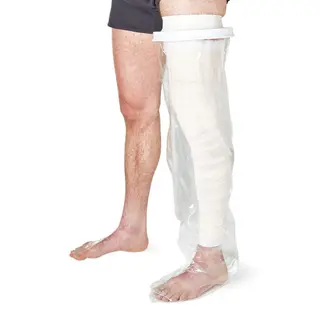
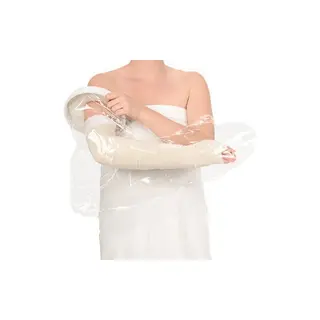
To protect your cast in the shower or the bath, and even at the pool or the beach, Tous Ergo recommends a cast cover. During recovery, a traditional cast, an orthopedic resin, or a bulky bandage makes everyday hygiene much harder. Water is a cast's worst enemy: it softens the materials, encourages bacteria, causes bad odors, and can even interfere with bone healing.
Our cast covers seal fully in any wet setting. They keep water off the cast during daily washing, so you do not have to rely on unreliable workarounds such as taped plastic bags. With the right medical device, you can enjoy the water again, feel less anxious, and make the job easier for a nurse or a family caregiver.
Good to know: There are models for the forearm or the full arm, and for the lower leg or the full leg. Choose based on your own needs. The right cover depends on the area you need to protect and on the activity (daily hygiene or swimming).
A strong fit for fractures of the wrist, elbow, or hand. Arm sleeves are designed to slide on easily even when the limb is stiff. They have a soft watertight seal (often latex-free silicone or neoprene) that follows the shape of the biceps or the forearm without acting like a tourniquet.
After a severe ankle sprain, a tibia fracture, or foot surgery, these covers reach above the knee (lower leg) or to mid-thigh (full leg). Foot models often have a textured non-slip sole to help prevent a fall in the shower or the bathtub.
| Cast cover type | Area covered | Medical recommendation | Water use |
|---|---|---|---|
| Forearm / hand cover | From the fingertips to the elbow | Wrist fracture, hand wounds, burns | Shower / bath (depending on the model) |
| Full arm cover | From the fingertips to the shoulder | Long arm cast, shoulder surgery | Shower / bath |
| Lower leg / foot cover | From the toes to below the knee | Resin walking boot, diabetic ulcers, foot surgery | Shower / pool (with a vacuum pump) |
| Full leg cover | From the toes to mid-thigh | Long leg cast, after knee replacement | Shower |
To keep an orthopedic immobilization safe and clean, several points matter:
Often called "cast covers," these waterproof sleeves are versatile and fit many medical situations that need to stay completely dry:
A temporary loss of mobility from a cast on the arm or the leg greatly raises the risk of a slip and a fall in a wet room. Protecting the cast matters, and so does protecting the rest of your body. Consider a suction-cup grab bar or a shower seat so you can wash while seated, without putting weight on an injured leg.
To make recovery as safe as possible, explore all of our bathing aids.