


From$28.99In stock, ships tomorrow
Free shipping on orders over $20010% off with code WELCOME
Shop other styles
3 products
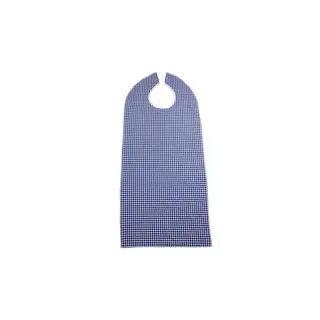

Adult bibs, often called mealtime towels or meal protectors, do much more than cover a shirt. They are core daily living aids for people facing a temporary or lasting loss of independence. This medical product has two jobs: keep clothing safe from spills and hot liquids, and protect the wearer's self-respect.
A meal protector is especially useful at home or in a care setting for people living with:
Beyond the practical job they do, today's adult bibs are made to look good. They offer real dignity and more confidence at a family meal or in a group. More and more, they read as clothing in their own right, with careful patterns (plaid, solid, floral) and modern cuts that soften the clinical look.
With so many home-care accessories available, a few details deserve a close look. Body size, level of independence, and where the bib will be used (a nursing home or at home) point to the right model.
The neck opening is the first thing to check. Someone with hemiplegia or osteoarthritis will not have the same grip as a professional caregiver. We offer several options:
Skin comfort matters, especially around the neck, where a senior's skin can be thin and fragile. Adult bibs are usually built in several layers:
When it is hard to control where a utensil is headed, crumbs and solid food can pile up on the lap quickly. In our range we carry adult bibs with a catch pocket (also called a crumb trough). The pocket at the bottom of the bib does an excellent job of keeping the floor and pants clean, which means less cleanup for caregivers.
It is common to hesitate between single-use protectors and reusable fabric. Tous Ergo summed up the differences that matter so you can buy for the setting you actually have.
| Comparison point | Washable bib (fabric / polyurethane) | Disposable bib (single use) |
|---|---|---|
| Main description | A washable bib in fabric is made to go through the washer again and again. | A disposable bib is made of wadding or plastic-coated paper, and it is meant to be thrown away after one meal. |
| Hygiene and cross-contamination | Very hygienic when washed at 60°C or 90°C (depending on the model). | No risk of cross-infection (a good fit for nursing homes, hospitals, and dental offices). |
| Long-term cost | A higher price up front, and much easier on the budget over time. | A very low price per piece, with regular reorders (an ongoing expense). |
| Environmental impact | A much lighter footprint, with no daily trash. | Creates waste after every use. |
| Comfort and looks | Soft to the touch, looks like clothing, and feels respectful for a senior. | A paper or plastic look: very functional, less attractive. |
How long a washable bib lasts depends mostly on following the care instructions. In clinics and nursing homes, bibs go through industrial washing every day. That is why most of our fabric bibs are built for wash temperatures from 60°C to 90°C. That high heat is what destroys bacteria, lifts stubborn grease, and fully disinfects the fabric.
For drying, many models can go in the dryer on a moderate setting. Never iron the waterproof PVC or polyurethane side, or the protective barrier can melt. Skip chlorine bleach if you want to keep the color and the softness of the fabric.