



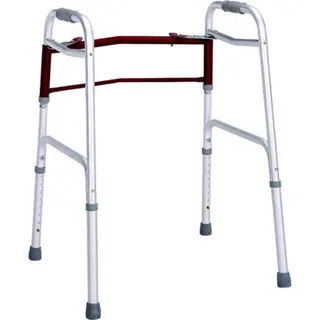

$43.49In stock, ships tomorrow
Free shipping on orders over $20010% off with code WELCOME
Shop other styles
3 products

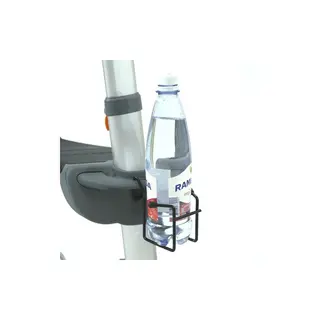
A walker helps. A walker fitted with the right accessories helps even more. Tous Ergo offers a wide selection so you can customize your walker or rollator and match it to the way you live. From cane holders to bags and safety reflectors, there is a complementary medical device made for you. Upgrading mobility equipment is a practical necessity: it helps prevent falls and eases joint fatigue.
Using a standard walker or a rollator (with 2, 3, or 4 wheels) changes your habits. So your hands can stay on the grips and your center of gravity stays steady, healthcare professionals and occupational therapists designed a range of ergonomic add-ons:
| User need (limited mobility / senior) | Recommended accessory | Main advantage and health benefit |
|---|---|---|
| Getting around at night or in low light | LED lights and reflective strips | Improves visibility, shows where you are, and helps prevent nighttime falls. |
| Carrying items with both hands free | Front metal basket or side bag | Keeps both hands on the brakes and preserves balance on both sides. |
| Making a walking aid safer indoors | New non-slip rubber tips | Maximum grip on tile or hardwood, so the walker does not slide. |
| Easing fatigue on long walks | Backrest strap for the seat | Supports the spine so you can rest safely. |
| Staying dry in bad weather | Adjustable umbrella holder | Keeps you dry while both hands stay free to steer. |
A walker is a medical device used every day, indoors and out. Parts that touch the floor or your hands wear down with normal use. To protect user safety, inspect these replacement parts regularly:
Your setup should match your clinical picture. For someone with Parkinson's disease who has "freezing" of gait, adaptable laser modules project a red line on the floor. Stepping over that visual cue helps restart the walking cycle.
For people with severe rheumatism or osteoarthritis in the hands, choose bags with magnetic closures rather than zippers, which are hard to pinch. Choose one-handed brakes if one hand has lost grip strength (mild hemiplegia).
Walker accessories last longer when they are looked after. Machine-wash removable bags regularly on a cool cycle to remove bacteria. Clean meal trays with a non-abrasive sponge and a mild detergent that is safe for food contact. Once a month, check that the cane holder and backrest fasteners are still tight, so vibration from the wheels on sidewalks does not loosen them.