Geemarc
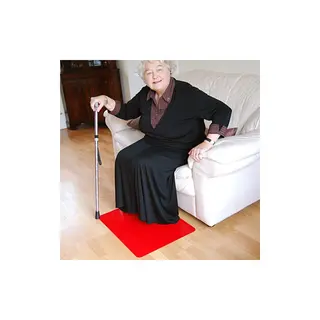
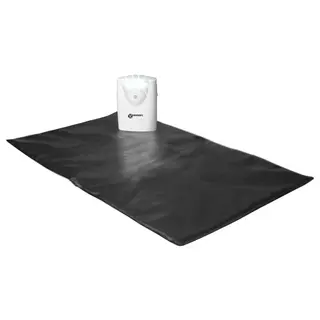
Tapis sortie de lit détecteur de présence Amplicall PSA1001 reviews•TE-336
- largeur : 14.17 in (36 cm)
- poids : 167 g
- matière : Plastique PVC
- longueur : 22.05 in (56 cm)
$89.49In stock, ships tomorrow
Free shipping on orders over $20010% off with code WELCOME

Shop other styles
1 products
Home is a comfortable place, but it can quickly become risky for someone who is aging or losing independence. Installing a presence detector or a passage sensor answers a major medical and ergonomic need: making movement safer without anyone having to touch a switch.
Most falls among seniors happen at night, often on the way from the bedroom to the toilet. Weaker vision, together with the effects of some medications (sleep aids, blood-pressure drugs), throws off balance. An infrared motion detector notices when someone gets out of bed and turns on a lighted path. That visual guide removes the need to hunt for a switch in the dark, which takes away a leading cause of trips and of hip fracture.
For people with neurodegenerative disorders, wandering is a common symptom. Passage detectors play a crucial alerting role here. Linked to a receiver (a pager or a chime), they quietly let a family caregiver or care staff know that a risky area (front door, stairs, kitchen) has been crossed. That allows a quick response and helps prevent wandering off or a serious accident at home.
Depending on how independent the user is, and how much monitoring is needed, there are several kinds of smart-home sensors made for health and safety.
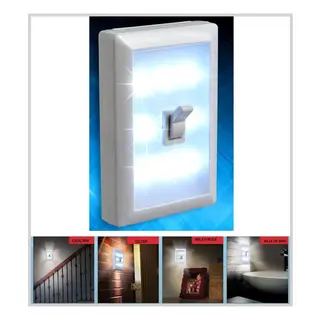
Often fitted with passive infrared sensors (PIR), these automatic night-lights plug into an outlet or run on batteries. They turn on as soon as movement is sensed within their detection angle (usually between 90° and 120°). They are a strong fit for lighting baseboards, hallways, or stair treads in a focused way that does not glare.
This is an invisible barrier. When someone breaks the unseen beam, or opens a door fitted with a magnetic contact, a signal is sent. These devices are often wireless and can cover long distances (up to 100 mètres with a clear line of sight), which is a strong fit for larger homes.
Placed at the foot of the bed or in front of a door, these pressure-sensitive mats send an immediate alert to the caregiver's base station as soon as the senior steps on them. It is an extremely reliable solution. Calibrated well, it does not react to pets, and it works very well for people who are bed-bound or disoriented.
To choose well, look at the end user's physical abilities and the layout of the home. Here are the ergonomic and technical points to check:
| Device type | Main action | Best for... | Ergonomic benefit |
|---|---|---|---|
| PIR detector lamp | Timed automatic lighting | Nighttime path, hallway, bathroom | No more hunting for a light switch |
| Passage detector with a chime | Remote sound alert | Caregivers, monitoring zones | Helps prevent wandering (Alzheimer's) |
| Pressure-detection mat | Silent or audible alert | Getting out of bed, disoriented patients | Very fast detection the moment a foot lands |
A poorly placed detector loses its purpose. For a lighted path, mount the sensors at ankle or knee height (about 30 à 40 cm from the floor). That lights the floor without glaring into the eyes of a senior who is used to the dark. For passage sensors meant for caregivers, place them at chest height or above the door frame so a pet does not set off the alarm.