



$10.99In stock, ships tomorrow
Free shipping on orders over $20010% off with code WELCOME
Shop other styles
2 products
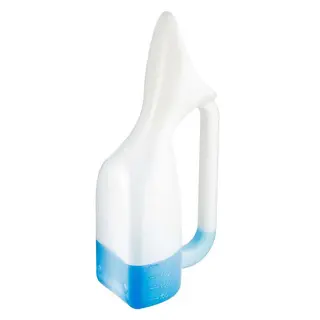
The bidet is less common in France than it once was, but it is still a very useful way to keep personal hygiene thorough. If you want the benefits of a bidet without remodeling the bathroom, a portable bidet is worth a look. Easy to set up, light, and compact, a portable bidet goes with you.
Beyond convenience, a portable bidet (or travel handheld bidet) answers real health and aging-in-place needs. Too much dry toilet paper tends to irritate the skin in tiny ways, which encourages bacteria and discomfort. Washing with water is widely recommended by clinicians because it is gentle, soothing, and cleansing.
A backup bidet is not only about comfort. It is often a therapeutic need. Our Tous Ergo specialists recommend this equipment in several specific cases:
To find the portable toilet bidet sprayer that fits your condition and your routine, several technical details deserve a close look.
Most models on the market fall into two groups. The manual bidet, shaped like a bulb or a soft EVA bottle (ethylene-vinyl acetate), works with a simple squeeze of the hand. The harder you squeeze, the stronger the stream. The electric travel bidet runs on a rechargeable battery or disposable batteries. It delivers a continuous stream with no grip effort, which is the best option for people with rheumatoid arthritis or weak hands.
To avoid risky twisting on the toilet seat, the nozzle design matters. Choose a bidet with a long nozzle (at least 10 to 15 centimeters) and, most important, one angled at 60° or 65°. That angle reaches the perineum or the anal area well, whether you use it from the front or the back. A retractable nozzle also keeps it compact in a travel bag.
The water you need depends on the use (a light void or a bowel movement):
| Product type | Main advantages | Drawbacks | Best fit |
|---|---|---|---|
| Soft manual bidet (bottle) | Light, unbreakable, works without batteries, very affordable, watertight. | You need hand strength to squeeze it. | Pregnant women (postpartum), frequent travelers, feminine intimate hygiene. |
| Electric travel bidet | A continuous, adjustable stream with no effort, compact, often a very discreet design. | Needs a recharge (USB) or spare batteries, and costs more. | Seniors with arthritis, people with severe hemorrhoids, limited mobility. |
| Toilet-mounted bidet (basin) | Allows longer sitz baths for therapeutic soaking. | Takes more space in the bathroom and is a poor fit for travel. | Seniors at home, patients in postoperative perineal care. |
Intimate hygiene calls for equipment that is clean and in good shape. A travel bidet is very intuitive to use, but a few habits keep it working and protect your health.
First, always fill the tank with clean, lukewarm water (about 35°C to 37°C). Water that is too hot can burn tissue that is already fragile, while water that is too cold causes an unpleasant muscle contraction. Then screw the nozzle on firmly to prevent leaks, turn the device over, and aim the tip at the area you want to clean before you start the stream.
Choosing from the carefully selected portable bidets at Tous Ergo is a choice for independence, comfort, and safety. If you are unsure whether a manual model or an electric one is right, contact our clinical customer service. Our advisors are glad to point you toward the option that fits your specific needs.