



From$10.99In stock, ships tomorrow
Free shipping on orders over $20010% off with code WELCOME
Shop other styles
3 products

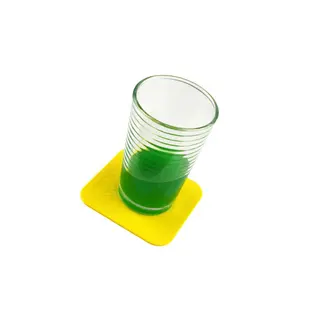
Non-slip surfaces and grippy materials for an independent life. Non-slip placemats and non-slip rolls give people with reduced hand control a steadier grip during cooking and everyday tasks.
Non-slip placemats and rolls are a strong fit for anyone who has trouble holding on. Laid on a surface, they keep objects from sliding. Use them to keep a sheet of paper still while you write, to make utensils easier to pick up, or to stop a mixing bowl from traveling while you stir. These surfaces wash easily and can be used again and again.
Lost dexterity, whether from age, a neurodegenerative condition, or an injury, makes ordinary movements much harder. Gripping smooth or slippery objects takes muscle strength and coordination that are often reduced in seniors and people with limited mobility. Non-slip surfaces work as a true "third hand." With the object held on the counter or the table, one hand is free for the task itself (eating, stirring, writing, cutting). That kind of steady setup sharply limits joint and muscle fatigue.
The kitchen is one of the rooms where household accidents are most likely for someone who is unsteady. A bowl of hot soup that slides, or a knife that slips on a cutting board that will not stay put, can have serious consequences. A non-slip surface under your utensils absorbs small movements and holds containers with a very strong grip. Meal prep becomes safer, more pleasant, and easier to keep doing, which supports staying at home longer, in better conditions.
Made for mealtime, the non-slip placemat gives plates, glasses, and utensils a wide grippy surface. Often made from medical-grade silicone or from Dycem (the reference material in occupational therapy), it grips on both sides: it holds to the table and holds the dishware. It is a daily living aid people rely on when only one hand works (hemiplegia, amputation), because food can be cut or speared without the plate skating to the other side of the table.
The real strength of a non-slip roll is how you can cut it. Sold as a continuous strip (usually 1 to 9 meters long), it trims easily with scissors to match almost any shape. Uses are wide open:
Occupational therapists and other clinicians widely recommend non-slip surfaces for a broad range of conditions:
Several ergonomic points should guide the choice, based on your needs or those of someone you care for:
Dycem is known as one of the strongest gripping materials available. It is non-toxic, latex-free, and holds even when a table is tilted as much as 45 degrees. Silicone is a strong choice in the kitchen, because it often stands up better to very high heat. Open-cell PVC foam (often sold as a grid) is excellent for lining drawer bottoms or securing lighter objects, at a very accessible price.
If the person has low vision or cognitive changes, skip clear models. Choose bold primary colors. Red, for example, has been clinically shown to raise food intake in people with Alzheimer's disease.
| Product type | Main recommended use | Main advantage | Drawback / limit |
|---|---|---|---|
| Classic placemat (silicone/Dycem) | Steadying a meal, writing, crafts. | Ready to use, clean edges, very high grip. | Fixed size, cannot be reshaped. |
| Cut-to-size non-slip roll | Drawers, tool handles, seat cushions, trays. | 100% custom-cut, very economical by the length. | Someone else may need to cut it for a person with limited mobility. |
| Non-slip mesh (open foam) | Drawer bottoms, pads under small rugs. | Light, flexible, economical. | Less grip than a solid Dycem surface. |
A non-slip surface only works when it is clean. Dust, crumbs, pet hair, and cooking grease form a film that cancels the "tacky" hold of the material. These products are made to be washed over and over without losing what makes them work, as long as a few simple care steps are followed.