




$55.99In stock, ships tomorrow
Free shipping on orders over $20010% off with code WELCOME
Shop other styles
4 products
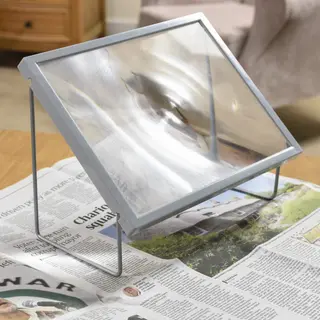

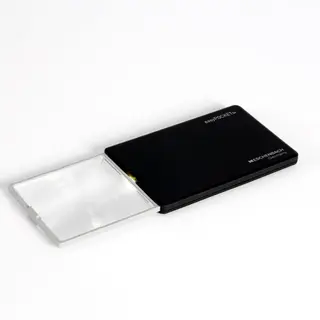
Vision loss, whether from age (severe presbyopia), a degenerative condition (AMD, glaucoma, diabetic retinopathy), or cataracts, weighs heavily on day-to-day independence. Fortunately, the low-vision magnifier is a medical and ergonomic device that can make up for that loss of acuity. At Tous Ergo, we know every eye is different, which is why we offer magnification matched to each stage of low vision.
To support your daily activities, manufacturers have developed many visual aids. Here is a full look at our range so you can see the options more clearly:
| Product type | Recommended main use | Key advantage for the user | Magnification level |
|---|---|---|---|
| Pocket magnifier | Out and about, shopping, quick reading | Ultra-light and discreet | Low to medium (2x to 6x) |
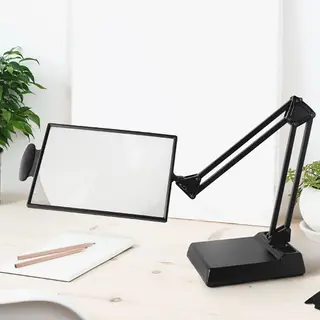
| Stand / desktop magnifier | Reading books, sewing, crossword puzzles | Hands-free, with a stable focus | Medium (3x to 8x) |
| Lighted magnifier (LED) | Reading in low light, newspapers | A sharp boost in contrast | Medium to high (3x to 12x) |
| Electronic magnifier | Severe low vision, bank statements | Adjustable contrast, screen capture | Very high (up to 32x) |
| OCR video magnifier | Partial blindness, reading mail | Spoken reading and full screen comfort | Extreme (up to 80x) |
To choose well, do not simply look for the highest magnification. You need to weigh several optical and ergonomic factors:
1. The golden rule of magnification and field of view: There is a strict optical law: the higher the magnification, the smaller the lens, and the narrower the field of view. For comfortable book reading, 2x to 4x is often ideal, because you can see a whole line. Magnification of 10x or 12x is better reserved for a quick look at a single word or a tiny detail.
2. Aspheric lens vs. biconvex: Choose aspheric lenses if you read for long stretches. They stay sharp out to the edge of the lens, avoiding optical distortion and eye fatigue, unlike classic lenses that tend to warp the edges of the image.
3. Why lighting matters so much: A 60-year-old needs about three times more light than a 20-year-old. Age-related macular degeneration (AMD) greatly reduces contrast perception. A lighted magnifier with SMD LEDs, producing even, shadow-free light, is often the best ally for making up that gap.
4. Ergonomics and weight: Think about your joints. If you have arthritis or rheumatism, holding a heavy magnifier for 30 minutes will become painful. Stand magnifiers, or portable electronic models with a fold-away stand, are strongly recommended.
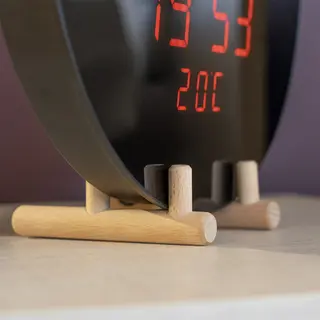
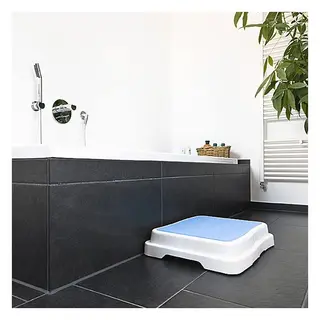
A magnifier is the starting point for making up for vision loss, but it is not the only equipment to consider. Adapting the whole home helps prevent falls and keeps communication safer. Also explore all of our solutions for people with low vision, from a simplified TV remote to talking products (alarm clocks, watches, scales) and amplified phones with extra-large buttons, essential with advanced presbyopia.
Low-vision support calls for trust and expertise. When you choose Tous Ergo for your equipment, you get solid guarantees: