

$36.99In stock, ships tomorrow
Free shipping on orders over $20010% off with code WELCOME
Shop other styles
1 products
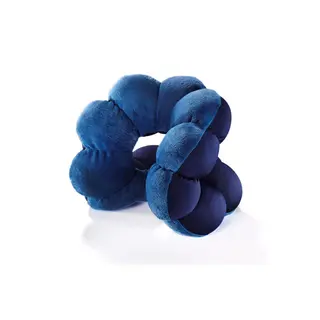
What if you could give your lower back a break? Lower-back pain is one of the most common reasons people see a doctor, and the causes vary: osteoarthritis, a herniated disc, sciatica... Along with the usual advice for easing back pain, a lumbar cushion helps you settle into a position that asks less of your lower back and feels better through the day.
Besides helping you sit taller and easing lower-back pain and other aches, a lumbar cushion makes sitting more comfortable. It keeps pressure off tender spots, and it is especially helpful in the car, where shifting around is hard.
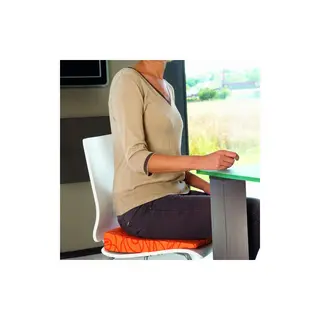
Use our cushions at home in an armchair, at work on an office chair, or in the car for the daily commute and trips away. If you use your lumbar cushion a lot, choose a model with a removable cover that machine-washes easily (at 30°). If the cover does not come off, wipe it with a soft cloth and a little soapy water.
There are several kinds of ergonomic cushions for chairs, and the right one depends on what you need. A few options to consider:
This cushion is made from memory foam that molds to your body for support shaped to you. It can ease pressure on sore spots and help your posture by keeping your spine in line.
If your lower back hurts, a cushion with lumbar support can be a good fit. It follows the natural curve of your spine in the lower back, which can ease pain and tension.
If you run warm, or you sit for long hours, a cushion with cooling gel can help. It is made to stay cool to the touch, which can cut down on sweating and make sitting more comfortable.
If you tend to sit with poor posture, a wedge seat cushion can help. It tips your pelvis forward, which can take pressure off your spinal discs and improve how you sit.
If your tailbone hurts, a seat cushion with a cutout can be a good fit. It takes pressure off the tailbone, which can ease the pain.
In the end, the right ergonomic cushion depends on your needs and your situation. Think about the comfort you want and the support you need. You can also ask a healthcare professional for advice that fits your health.
The McKenzie cushion is made to help ease pain and tension in the lower back. It follows the principles of the McKenzie method, a hands-on therapy technique used for back pain. Here are some of the benefits of using a McKenzie cushion for the lower back:
The McKenzie cushion is designed to ease pain and tension in the lower back by supporting the spine's natural curve. By helping you sit in a healthier posture, it can take pressure off the spinal discs and the muscles around them, which can ease pain.
By helping you hold a healthier posture, the McKenzie cushion keeps your spine aligned. That takes pressure off the muscles and joints of the spine, which can ease pain and help prevent injury.
The McKenzie cushion is easy to use and sits on any chair or flat surface. Use it at home, at work, or while traveling to help ease lower-back pain.
The McKenzie cushion is an affordable way to help ease lower-back pain, compared with other options such as visits with a manual therapist or buying an ergonomic chair.
In the end, a McKenzie cushion can be a useful tool for easing pain and tension in the lower back. Check with a healthcare professional to see whether a McKenzie cushion fits your situation, and to get advice on how to use it well.
To place your lumbar cushion well, follow these steps:
Follow these steps and you should be able to place a lumbar cushion so it improves your posture, eases lower-back pain, and makes sitting more comfortable.