


From$36.99In stock, ships tomorrow
Free shipping on orders over $20010% off with code WELCOME
Shop other styles
4 products

At Tous Ergo, we know that aging, or a disability that affects movement, vision, or thinking, changes how a kitchen feels. Meal prep asks for long stretches on your feet, real leverage, and fine motor control, and it can turn into a daily struggle. An ergonomic kitchen is a practical necessity for aging in place. We want to offer concrete occupational therapy solutions so cooking stays a pleasure.
A kitchen concentrates real risks for someone with limited mobility, or a senior who is losing independence: burns, cuts, slips, and muscle or joint strain from awkward postures. Adapting the room serves three goals:
Cooking with one hand, or with a weak grip, is a daily challenge. We carry multipurpose cutting boards with raised edges, stainless steel spikes, and clamps that hold food steady (bread, vegetables, fruit). Angled ergonomic knives keep the wrist in a neutral position and ease joint pain. Automatic or non-slip can openers, jar openers, and corkscrews round out the set, so you can open any container without a hard twist.
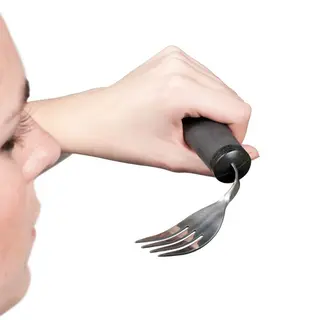
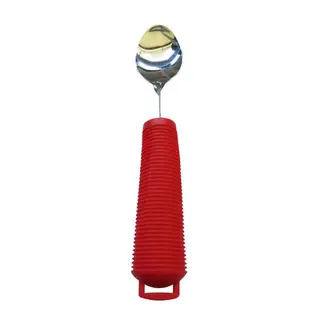
Once the meal is ready, eating should still be a shared pleasure. You will find a wide range of daily living aids that make mealtimes easier. A few of our go-to solutions:
A kitchen that truly works for limited mobility has to be reachable. Reaching low for a saucepan, or climbing a step stool for the salt, should come out of the daily routine. We offer practical setups such as fold-down kitchen shelves and pull-out baskets that bring upper-cabinet contents to eye and hand level. To shape the room, our ergonomic furniture for limited mobility includes tables with side clearance for wheelchairs, perching stools with solid lumbar support, and rolling carts for moving hot dishes without a spill.
To help you choose well, our independence specialists built this comparison around the needs that come with different medical situations:
| Need or Condition | The Challenge | Recommended Equipment |
|---|---|---|
| Arthritis & Rheumatism | Joint pain, low strength, trouble gripping. | Silicone jar openers, L-handle knives, built-up utensils, touchless or long-lever faucets. |
| Hemiplegia (One-Handed Use) | Unable to steady food or containers. | Cutting board with clamps and spikes, Dycem non-slip mat, plate with a curved rim, removable plate guard. |
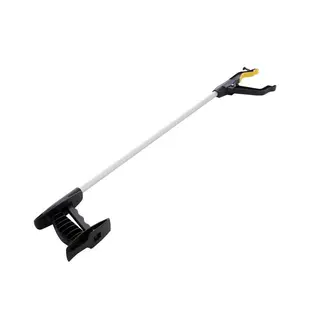
| Wheelchair User | Wrong working height, unable to reach the back of cabinets. | Height-adjustable cabinets, drop-down shelf systems, long-handled reacher, rolling cart. |
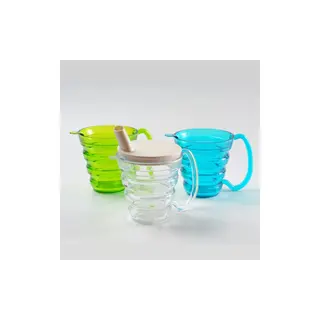
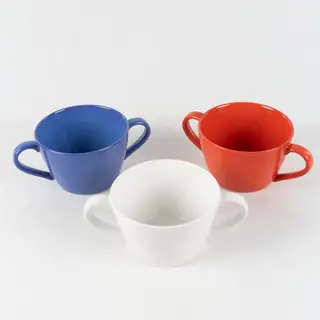
| Tremor (Parkinson's) | Spilled liquids, trouble guiding food to the mouth. | Weighted utensils, spill-resistant cups with a valve, two-handled mugs, discreet waterproof clothing protectors. |
You can keep cooking on your own terms as mobility changes. Whether you are a family caregiver making daily life safer for someone with cognitive changes, or you want your own independence back, every item in our catalog was carefully chosen by occupational therapists. Equip the kitchen thoughtfully and get back to making your favorite recipes with peace of mind.