How to choose a forearm crutch
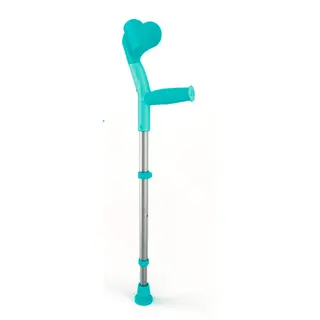
A pair of crutches, or a single forearm crutch, is often needed after an injury (sprain, fracture), surgery, or to make up for a lasting loss of independence. Unlike a standard walking cane, which only helps with balance, a forearm crutch allows a real weight transfer through forearm support, which effectively unloads the weaker leg.
What should you look for in a crutch?
To stay comfortable and avoid tendinitis or pain in the palm, check several technical points before you buy:
- The ergonomic handle: This is the main contact point. Choose "soft" handles (a flexible, non-slip material) that follow the shape of the hand and limit pressure, especially with heavy daily use.
- The weight of the crutch: An aluminum crutch usually weighs about 500g. For more fragile users, carbon fiber models (ultra-light, about 220g) greatly reduce muscle fatigue.
- Maximum user weight: Always check the weight capacity (generally 130 kg for standard models, and up to 150 kg or more for bariatric/XXL models).
- The cuff type (forearm support): A hinged or open cuff allows more freedom, while a closed cuff lets the crutch stay on your arm when you let go of the handle (handy for opening a door).
How do you set the height of your forearm crutches?
A poor adjustment can cause back pain and poor posture. Here is how to set them correctly:
- Stand with your arms relaxed at your sides, wearing your usual shoes.
- The crutch handle should sit exactly at the crease of your wrist (level with the hip bone).
- Once you are holding it, your elbow should be slightly bent (about 15 to 30 degrees).
- Make sure the safety clips are fully locked before you put weight on the crutches.
Safety and accessories: the essentials
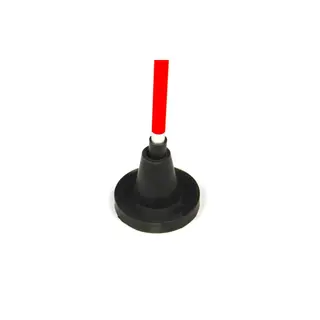
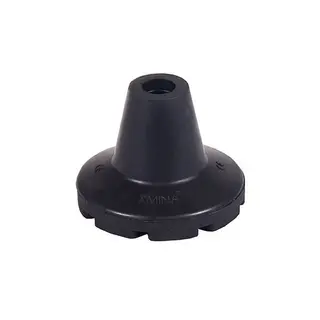
Safe walking depends largely on the condition of the tip (the rubber foot at the bottom of the crutch). It is the only part that touches the floor. Check it regularly for wear and replace it as soon as it goes smooth, to avoid a slip. For more stability, stabilizer tips and pivoting tips offer a better hold on wet floors.
Reimbursement and coverage
Most forearm crutches have an LPPR code (the French list of reimbursable products and services), which can allow coverage by French national health insurance with a doctor's prescription. Check each product's spec sheet for the reimbursement base (usually per unit or per pair).