


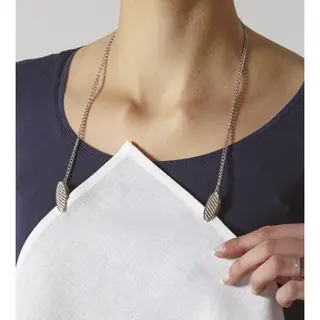
Chaîne attache serviette
TE-1756
- poids : 15 g
- matière : Métal
- couleur : Argent
- longueur : 17.32 in (44 cm)
$6.49In stock, ships tomorrow
Free shipping on orders over $20010% off with code WELCOME
Shop other styles
1 products
For a simple, pleasant time in the kitchen, explore our easy-to-use ergonomic daily living aids for cooking and serving with less effort, and on your own. The kitchen is often the heart of the home, but it can quickly become a place of risk or frustration with a loss of mobility, hemiplegia, or vision trouble. Modern occupational therapy, backed by the latest guidance on aging in place, stresses adapting the space so you tire less, avoid burns and cuts, and make up for motor deficits.
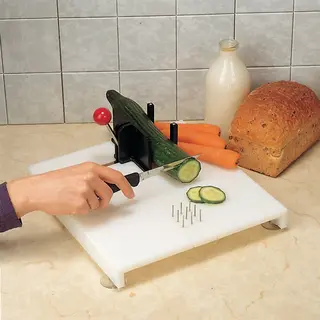
If you cook with one hand (after a stroke, an amputation, or temporary hemiplegia), keeping food and containers steady comes first. When you cannot hold food while you cut it, or hold a bowl while you mix, adaptive equipment made for that job fills the gap.
Joint pain, common among seniors, along with musculoskeletal disorders or Parkinson's disease, can make gripping small objects very painful. Fine motor control is reduced, and so is lifting strength.
Ergonomic knives with a "T" handle or a right-angle handle let you use the strength of the arm and shoulder instead of the wrist. With the wrist in a neutral line, strain eases right away on joints affected by rheumatoid arthritis.
Lifting a pot full of water, or a kettle that is just off the boil, is high-risk when muscles are weak. A sudden loss of strength can cause serious burns. To help prevent that, a tipping pour stand for a kettle or bottle is very useful. This clever device holds the kettle and pivots on an axis, so you can pour boiling water into a cup without lifting the weight of the appliance. Occupational therapists recommend this everyday aid for making the cooking area safer.
Vision loss (AMD, glaucoma, cataracts, or blindness) does not have to stop meal prep. Cooking calls for precision (measuring, weighing, cook time) that sound and touch can cover.
Choose utensils based on the condition, the abilities that remain, and eating habits. This summary chart can guide your selection of ergonomic equipment.
| Limitation / condition | Difficulty you run into | Recommended product type | Direct benefit |
|---|---|---|---|
| Hemiplegia / one-handed use | Holding food to cut, opening jars, spinning salad dry. | Spike board, jar opener on a base, Oxo spinner, Bricks bottle holder. | Food and containers stay fully steady on the counter. |
| Osteoarthritis / polyarthritis / rheumatism | Gripping thin handles, lifting weight, turning the wrist. | L-handle knife, tipping pour stand, electric mill. | Less joint pain, with the effort shifted to the forearm. |
| Vision loss / low vision | Reading markings, weighing ingredients, avoiding cuts. | Talking kitchen scale, large-number timer, high-contrast measuring cup. | Sound or strong color contrast makes up for limited sight. |
| Tremor / Parkinson's disease | Carrying plates, pouring a liquid without spilling. | Non-slip tray, nosey cup, plate guard. | Fewer spills, and a safer trip from kitchen to table. |