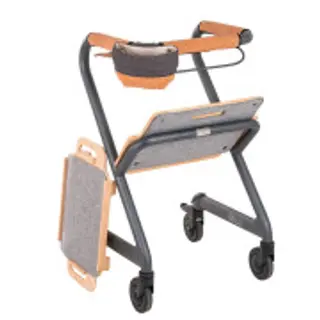
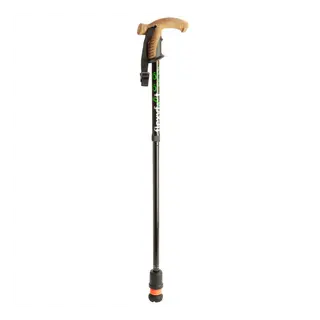
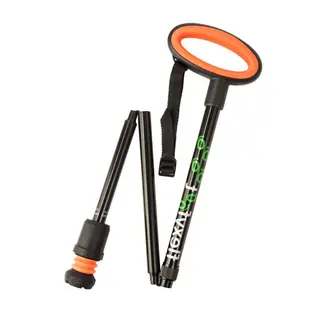
A mobility aid such as a cane is not a casual purchase. It plays a real part in preventing falls, widening your base of support, and taking load off the joints. With so many models (folding, fixed, tripod), our specialists and occupational therapists walk through the medical, technical, and ergonomic points to check so you can move more safely at home and outdoors.
1. Start with the clinical need and the level of balance
First, name the condition or the functional limit. Someone with rheumatic pain does not need the same cane as a senior with dizziness, or a patient in rehab after surgery.
Profile and main need
Recommended cane
Clinical benefit and use
Light daily support, moderate fatigue
Standard cane (fixed)
A reliable way to steady your walking and take a little load off the opposite leg.
Occasional outings / transit
Folding or telescoping cane
Packs quietly into a bag. A good fit when you only need support now and then.
Severe balance trouble
Tripod or quad cane
Stands on its own thanks to a wide base. Offers very secure, off-center support.
Heavy support through the hands and forearms
Forearm crutch
Shifts weight onto the forearm. A strong choice for taking all the load off one leg, or for rehab.
Tires quickly / time spent waiting in line
Seat cane (portable seat)
Gives you a place to sit and recover right away on a walk.
2. Handle shape: a key choice for comfort and less strain
Where your hand meets the cane decides long-term comfort. A poor grip can lead to carpal tunnel pain or shoulder pain:
T-handle (or Derby): The classic shape. It spreads the load across the hand and hooks easily over the forearm when you need both hands free.
Ergonomic (anatomic) handle: Molded for a right or left palm. Strongly recommended for severe osteoarthritis or rheumatoid arthritis, because it reduces pressure points.
Offset (swan-neck) handle: The angled shape places your weight directly over the center of the shaft, for a straighter posture and more stability. A good fit for a heavier user.
Gel or foam handle: Absorbs shock and vibration on uneven ground, and limits sweaty palms.
3. Materials and how the shaft adjusts
The shaft (the cane tube) needs to be both strong and light. Wood has a traditional look, but height is hard to change (you have to cut it). Aluminum is the current standard: light, strong, and easy to set for height with push-button clips. For people who want the best of both, a carbon fiber cane is ultra-light and still supports a heavy body weight.
Tips from our occupational therapist
A cane set at the wrong height does not help, and it can cause low-back pain. Stand up straight in the shoes you usually wear. The handle should land exactly at the height of your wrist joint (or the hip). Your elbow should bend about 15 to 20 degrees. Always hold the cane on the side opposite the injured or painful leg, so your natural walking pattern stays intact.
4. Accessories, safety, and care for your walking aid
The most important piece for preventing falls is the non-slip rubber tip at the bottom. Think of it as the tire on your cane, and check it often. As soon as the tread wears smooth, replace it so you do not slip on a smooth or wet floor. Other accessories support everyday independence:
Wrist straps: They keep the cane from dropping, so a senior does not have to bend down dangerously to pick it up.
Cane holders: Small clips that park the cane on a counter or a table so it does not slide away.
Ice tips: Especially useful for walking on snow or ice in winter.
5. French health insurance coverage (LPPR) and supplemental plans
As medical devices, most of our orthopedic canes qualify for coverage by French national health insurance under an LPPR code (the list of reimbursable products and services). Look for the health-insurance coverage icon on our product pages.
To use that coverage, you need a prescription from your doctor. When you order, check the box to request an insurance claim form. We will send a paid invoice and the Cerfa form with our stamp, for you to file with your local health insurance office (CPAM) along with the prescription.
Expert guide reviewed by the Tous Ergo team. Unsure about a model, or about the paperwork? Our customer service team and mobility specialists, based in Hauts-de-France, are available at 03 20 81 93 89 to help you find the right way to stay independent.