


Etac
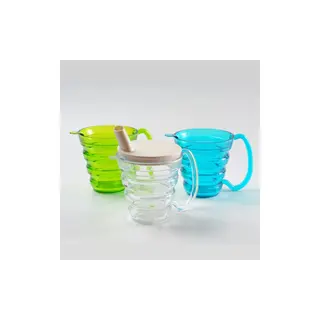
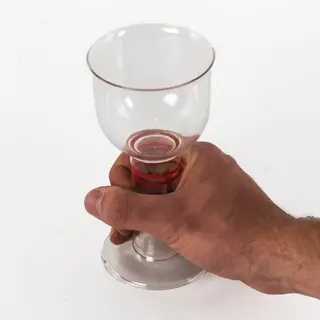
Verre à pied ergonomique Etac Tasty7 reviews•TE-4947
- poids : 75 g
- matière : Polycarbonate
- couleur : Transparent
- hauteur : 6.57 in (16.7 cm)
$17.99In stock, ships tomorrow
Free shipping on orders over $20010% off with code WELCOME
Shop other styles
1 products
Eating on your own is a cornerstone of staying at home, and of self-respect. To make daily life easier, fitting out your kitchen and dining area with equipment that truly fits the person is essential. That is why we offer a full range of daily living aids, a natural partner to our ergonomic utensils.
Unlike ordinary dishes, our ergonomic plates and bowls stand out by their shape, their grip, and a design made for disability, low vision, or motor difficulties.
Each piece in the range answers a specific functional need. These are the main models that make everyday meals easier:
Choosing adapted dinnerware starts with a clear look at movement, joints, and cognition, whether the person is a senior or has a disability.
| Condition or motor difficulty | What gets hard at the meal | Recommended daily living aid and dinnerware |
|---|---|---|
| Hemiplegia, amputation (one-hand use) | Serious difficulty cutting food and loading a utensil. Food spills. | Curved-rim plate, or a removable plate guard. |
| Parkinson's disease, multiple sclerosis | Resting or action tremor, and involuntary movements that keep tipping the plate. | Extra-strong suction bowl, or a non-slip placemat (such as Dycem). |
| Alzheimer's disease (cognitive changes) | Trouble seeing pale foods (pasta, rice) on a white background. Loss of appetite, visual agnosia. | Bright red dinnerware, for a strong color contrast. |
| Severe osteoarthritis, rheumatic disease | A weak grip and joint pain in the fingers, so lifting a heavy object is hard. | Ultra-light polycarbonate or melamine dinnerware with wide, easy-grip handles. |
| Dysphagia, cervical osteoarthritis | Neck pain when the head tips back, and a high risk of aspiration when swallowing. | Nosey cup, or an ergonomic two-handled cup with a controlled spout. |
Choose adaptive dinnerware that meets strict standards for food safety and hygiene. Every product we sell is free of bisphenol A (BPA) and phthalates. Match the material to how you will use it:
Non-slip or high-rim dinnerware is an essential first step. The room, the mood, and how the food is prepared matter just as much. To go further in supporting someone you care for, see all of our advice on meals and mealtime help for seniors.
Planning meals ahead is essential if you want to spark appetite. For everyday ideas, look at each meal idea: planning a menu for a senior so you can offer balanced dishes. While you cook, prevent household accidents with tools for safer cooking (multi-function prep boards, non-slip jar openers).
Aging sometimes brings metabolic or dental challenges. If you notice unexplained weight loss, we point you toward sound practice for higher-calorie meals for seniors at risk of malnutrition. If chewing becomes difficult, painful, or impossible, learn how to change the texture without losing the flavor by choosing a pureed diet for seniors who have trouble chewing.